
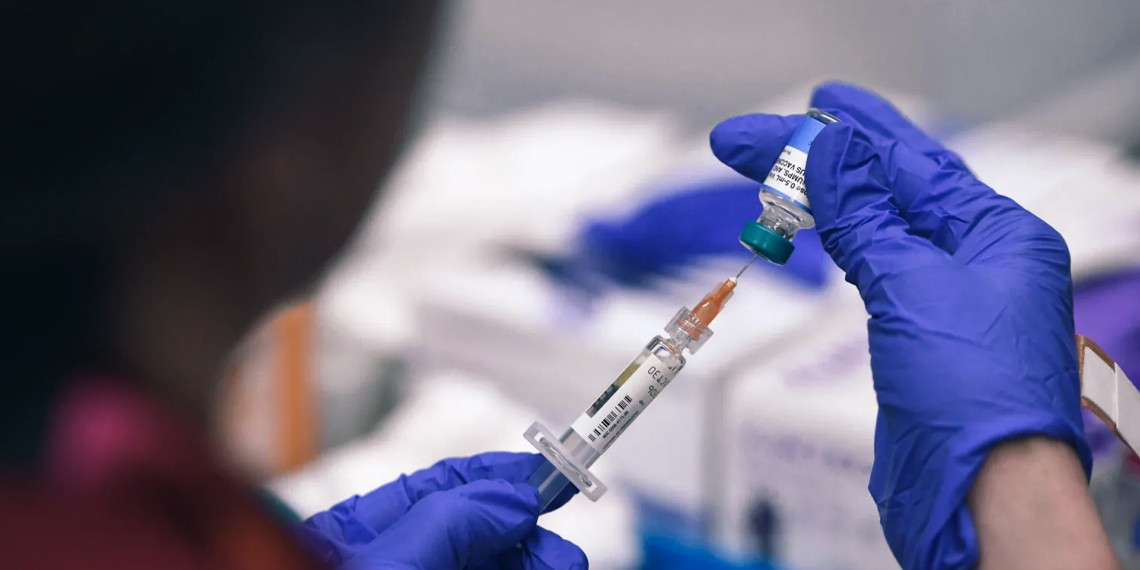
Scotland is experiencing a significant measles outbreak, with more confirmed cases reported in the first five months of 2025 than in the entire previous year. Health officials are warning that low vaccination uptake in some communities could spark a wider public health crisis.
According to data from NHS Scotland, there have been 26 laboratory-confirmed measles cases as of 28 May 2025. That figure surpasses the 24 cases recorded across all of 2024 and marks a sharp rise from just a single case in 2022.
Rising infections raise alarm across Glasgow and beyond
Public health leaders are especially concerned about outbreaks in Glasgow, where several cases have emerged this year — particularly in the Govanhill area, which is known for its linguistic and cultural diversity. Helen Benson, a consultant in public health for NHS Greater Glasgow and Clyde, said: “We are aware there may be some local community transmission and are working to minimise further cases.”
Measles is a highly contagious virus, transmitted through coughing and sneezing, and can lead to serious complications including pneumonia, brain inflammation, hearing loss, and even death. Children under the age of five are particularly at risk.
Vaccination coverage below WHO recommendations
The MMR vaccine, which protects against measles, mumps, and rubella, is typically administered in two doses — the first between 12 and 13 months and the second at three years and four months. While 90% of children in Scotland receive both doses by age six, this falls short of the World Health Organization’s recommendation of 95% coverage to prevent outbreaks.
Vaccination rates have slipped slightly in recent years, which experts attribute to misinformation, vaccine fatigue, and language barriers — especially in diverse communities like Govanhill.
Targeted campaign launched to boost MMR uptake
To address the growing health threat, the NHS has launched multilingual campaigns and community outreach programmes, using peer workers and interpreters to improve access to vaccination clinics. Pop-up clinics have also been deployed in high-risk areas.
Yvonne McAuley, a staff nurse with the Govanhill immunisation team, said: “We know what can happen when children aren’t immunised, and we’re doing everything possible to make vaccines accessible.”
Parents like Maryan Chaudhry, who brought her one-year-old daughter for the MMR jab, are responding to the call. “If it can benefit my child and her wellbeing, I’ll get it done,” she said.
Measles is preventable, but only if vaccine rates remain high
Health officials stress that measles can have serious, long-term health effects and that some groups — including babies, pregnant women, and those with weakened immune systems — are especially vulnerable. “It is important to get the vaccine not just for yourself but for the people around you,” Ms Benson said.
As measles cases surge across Europe and central Asia, the World Health Organization has described the situation as a “wake-up call” to maintain robust immunisation programmes.
