
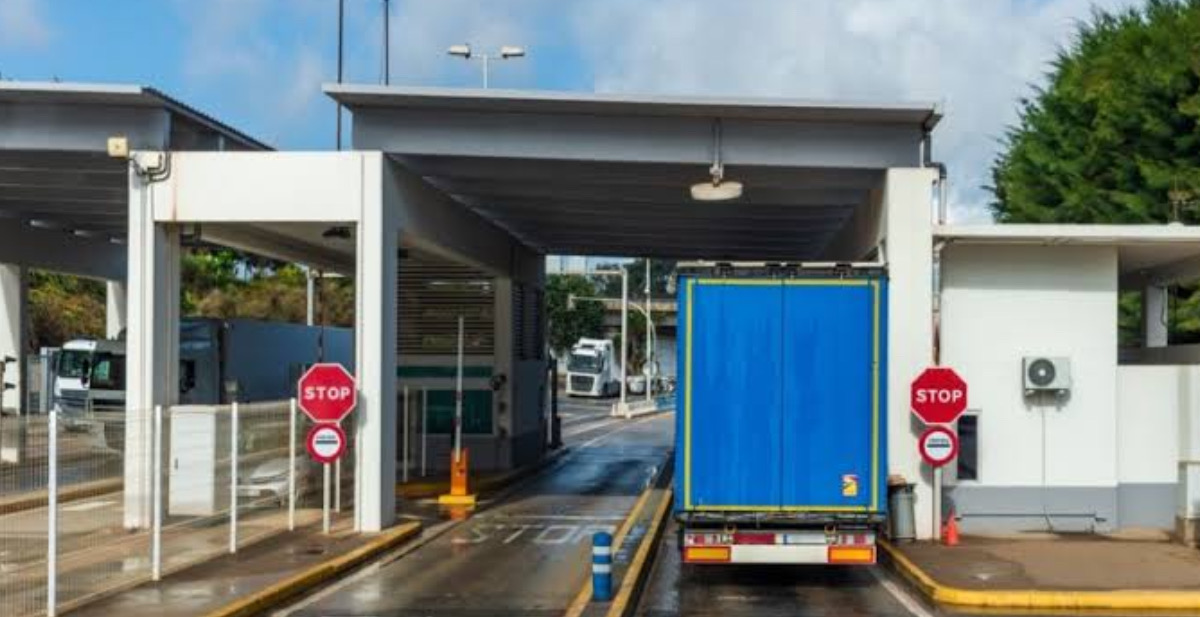
Portsmouth City Council is calling on the Government to reimburse millions of pounds spent on a border control post that may no longer be needed following a new UK-EU trade agreement.
The council invested £6 million from its own budget towards the construction of a border control facility designed to handle post-Brexit import checks at Portsmouth International Port.
However, the total cost of the project eventually exceeded £23 million.
The new deal between the UK and the European Union is intended to streamline the import process for food and drink, reducing the need for physical inspections at the border.
While council leader Steve Pitt has welcomed the agreement for its potential to ease trade and lower costs, he has raised concerns about the financial consequences for local authorities and ports that had been required to invest heavily in new infrastructure.
The council had anticipated that it could recover the costs of the border control post by charging for the inspection of goods.
With the facility potentially no longer in use, Portsmouth now expects the Government to step in and provide compensation to cover the financial shortfall.
The British Ports Association has also joined calls for compensation, highlighting that the wider ports industry has spent over £100 million preparing for the previously mandated border checks.
Industry leaders are urging the Government to recognise the financial burden placed on local authorities and private port operators, and to offer support in light of the policy change.
Portsmouth’s case underscores the broader impact of shifting trade arrangements and raises questions over how the Government plans to support regions that have already made significant investments based on earlier post-Brexit guidance.
