
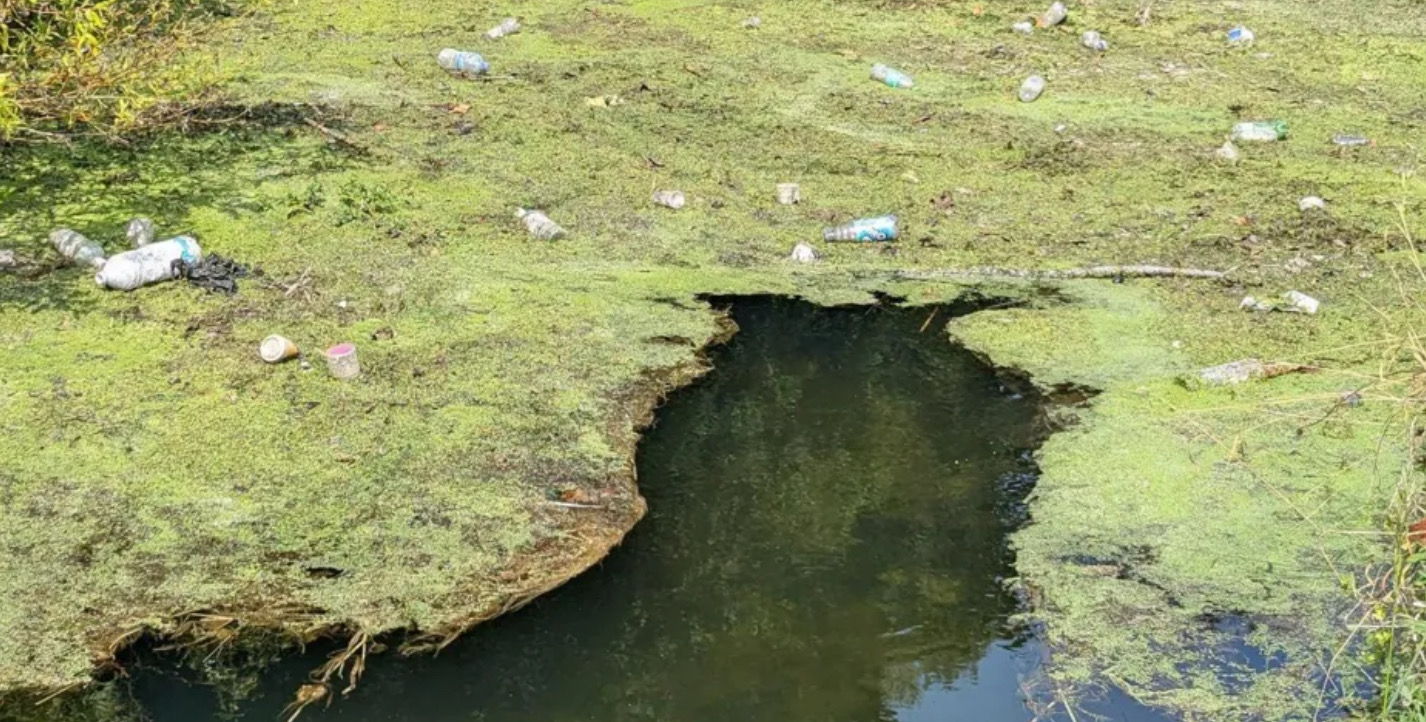
Water pollution incidents across England have reached their highest level in a decade, according to new data obtained by environmental campaigners.
Surfers Against Sewage (SAS) revealed that the number of serious pollution incidents recorded by water companies in 2024 was nearly double the target set by the Environment Agency (EA).
The figures, released following a Freedom of Information request, show 2,487 pollution incidents were recorded last year—a 31% rise compared to 2016 levels.
The EA had previously set a target for water companies to reduce such incidents by 40% by 2025, using 2016 as the baseline.
These pollution events, often involving sewage spills, can pose serious risks to both wildlife and public health. Swimmers, surfers, and other recreational water users are particularly vulnerable, with illnesses ranging from minor infections to serious health complications.
Surfers Against Sewage criticised the water industry for consistently failing to protect England’s rivers and coastlines. Chief Executive Giles Bristow said the findings highlight the urgent need for reform, calling for a system that prioritises public health, environmental protection, and value for money.
Water UK, which represents the nine major water and sewage companies in England, acknowledged the gravity of the situation.
It said companies are investing £12 billion to nearly halve sewage spills from storm overflows by 2030. However, most of this funding will come from increased water bills, which are already rising.
From this month, customers in England will see their water bills increase by an average of £31 annually over the next five years. When inflation is factored in, actual bills may climb even higher.
The Water Commission, an independent body established by the government, is currently reviewing how the industry is regulated. Chaired by Sir Jon Cunliffe, former deputy governor of the Bank of England, the commission is accepting public submissions until next week.
The Environment Agency had previously criticised the water industry for failing to curb pollution, saying that ongoing issues were causing distress to communities and damaging natural habitats. Despite repeated warnings, campaigners argue that water companies have not made the progress expected.
With public frustration mounting and environmental damage increasing, all eyes are now on regulators, government, and water companies to take more decisive action in tackling the UK’s water pollution crisis.