
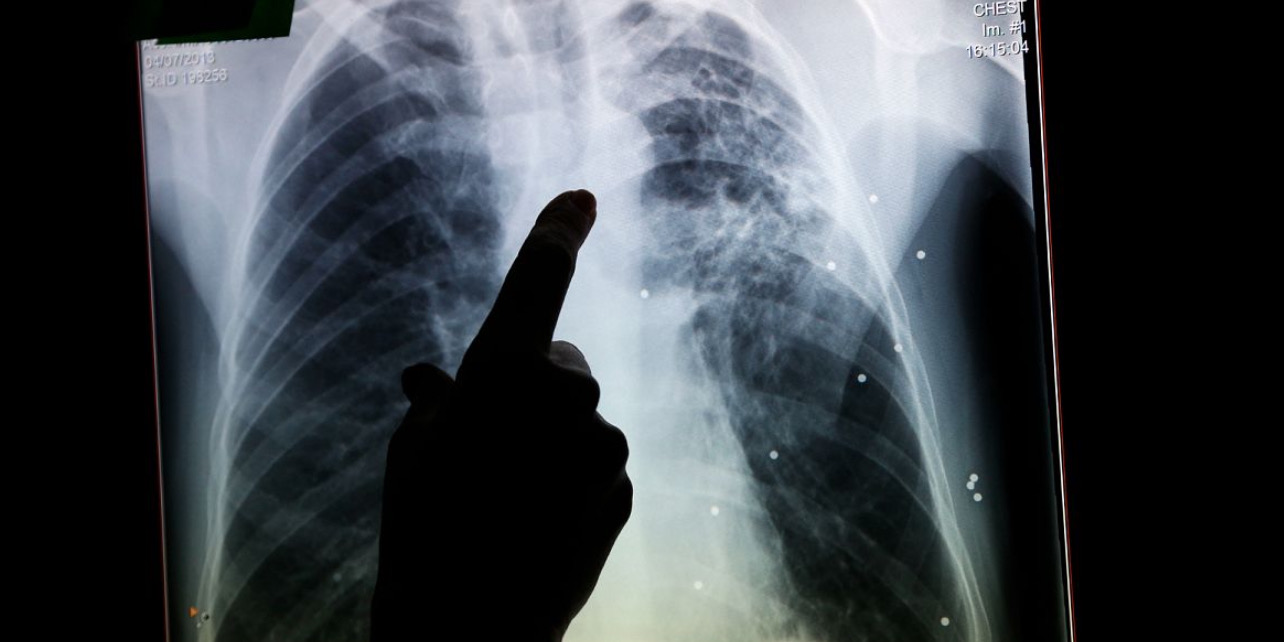
Tuberculosis in England has risen sharply, with a 13% increase in cases reported last year, marking the most significant annual jump since 1971. Experts warn the resurgence highlights deeper public health vulnerabilities linked to poverty, disrupted healthcare, and immigration trends.
The UK Health Security Agency (UKHSA) confirmed 5,480 tuberculosis (TB) cases in England in 2024, compared to 4,857 the year before. While many new cases have been detected among immigrants – likely infected before arriving in the UK – there has also been a concerning rise in infections among UK-born individuals for the second consecutive year.
Scotland, Wales, and Northern Ireland have all seen similar increases. The East London TB clinic, the busiest in Western Europe, is expanding with a £4.63 million centre after treating nearly 300 patients in 2024 alone.
TB: A Persistent Public Health Threat
Often perceived as a disease of the past, TB remains the deadliest infectious illness globally, claiming 1.25 million lives in 2023. It is especially prevalent in Southeast Asia, Africa, and the Western Pacific, and its strong correlation with poverty, undernutrition, homelessness, and overcrowding has earned it the moniker of a “social disease.”
Experts say the post-pandemic spike in TB cases reflects undiagnosed infections during COVID-era healthcare disruptions, but the trend signals broader issues. “Because TB is the archetypal disease of poverty, it’s a sentinel for other conditions,” said Dr Tom Wingfield of the Liverpool School of Tropical Medicine.
A Survivor’s Story: From Misdiagnosis to Recovery
Anja Madhvani, a 35-year-old from Leeds, unknowingly carried TB while running an ultramarathon in Morocco in 2018. Her symptoms – fever, coughing blood, and hallucinations – were initially misdiagnosed as the flu. She later spent 11 days in hospital isolation and underwent a year-long daily pill regimen.
“Some of those things still linger,” she said, describing the physical and emotional toll. Madhvani later discovered she had unknowingly infected several close contacts, including her mother, who continues to suffer from complications years later.
UK’s Five-Year TB Action Plan Faces Uncertainty
The UKHSA is reviewing a five-year action plan to curb TB through better detection, testing, and treatment adherence. However, questions remain over whether sufficient funding will be allocated, particularly for outreach in high-risk communities.
Paul Sommerfield, of the non-profit TB Alert, said it’s unclear why the rise has been so steep. “We know pretty well from the figures where the rises are coming from. The why is still a bit of a mystery.”
Dr Wingfield called for improved screening of new arrivals, more data collection on patients’ social conditions, and greater employer responsibility in TB prevention. He also highlighted the financial burden many TB doctors personally shoulder to support patients.
Drug Resistance Rare in the UK, But Early Detection is Key
Fortunately, drug-resistant TB remains rare in the UK. Still, identifying infections early is crucial. The standard treatment includes a strict daily regimen over months, and skipping doses can lead to relapse or severe complications.
“People don’t realise how serious it is,” Madhvani warned. “It doesn’t matter how wealthy you are – if you come into contact with TB and don’t treat it, you’re at risk.”
[3:10 pm, 20/04/2025] Nehal: #