
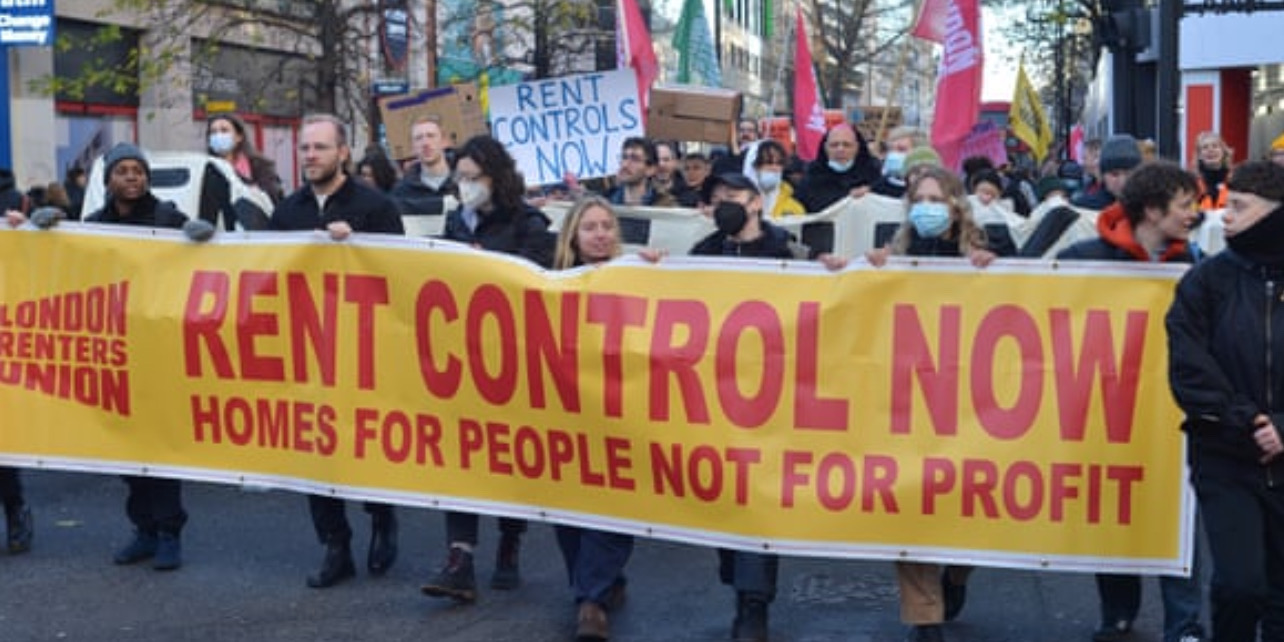
Only 2.5% of privately rented homes in England were affordable to those on housing benefit last year, with charities warning of an increase in rent arrears and homelessness due to a forthcoming freeze on the benefit.
From Tuesday, housing benefit rates will remain at their current levels until 2026, impacting 5.7 million low-income households that depend on this support to manage their rent.
Research conducted by the homelessness charity Crisis and the advocacy group Health Equals revealed that between April and October 2024, less than three out of every hundred private rental listings in England were within the financial reach of those receiving housing benefit.
This percentage marks a decline from 12% in 2021-22. Over the last decade, rental prices in the private sector have surged by 45% across England.
Crisis has highlighted that the widening disparity between housing benefit and rental costs may force individuals on low incomes into homelessness or substandard temporary housing.
Matt Downie, the Chief Executive of Crisis, described the current scenario as an “impossible situation,” noting that the benefit freeze effectively constitutes a real-terms reduction.
“Housing benefit is intended to cover the lowest third of rents in the private sector. Currently, we are significantly below that,” he stated.
“There is no doubt that today’s freeze on housing benefit will lead to an increase in homelessness. It also risks severely straining local authorities, already under pressure to meet demands for support, and will result in more individuals residing in inadequate temporary housing that adversely affects their health and wellbeing.”
The study also found that across Great Britain, only 2.7% of private rental properties were affordable to housing benefit recipients, who must find on average an additional £337 per month for a one-bedroom, £326 for a two-bedroom, and £486 for a three-bedroom property.
Downie has called on the government to end the benefit freeze, arguing that it hampers efforts to eliminate homelessness and places additional burdens on local authorities, which have already spent £2.3 billion on temporary accommodation for homeless families in the 2023-24 financial year.
In the 12 months leading to February 2025, the average rent in England climbed to £1,381. Currently, 126,040 households in England find themselves in temporary accommodation, including over 164,000 children — a record high.
During the autumn budget, the Chancellor, Rachel Reeves, announced that the local housing allowance (LHA) — which sets the housing benefit limits — would be frozen at present levels until 2026. LHA rates have experienced intermittent freezes since 2016, with previous Conservative governments freezing them seven times over twelve years, before last year’s increase.
Crisis and Health Equals have reported that escalating rents are driving more families into poor-quality housing, often plagued with issues such as damp and cold, with the associated health costs estimated at £1.4 billion annually for the NHS.
Paul McDonald, Chief Campaigns Officer at Health Equals, commented, “When individuals are compelled to move frequently, resort to sofa surfing, live in temporary or substandard housing conditions, their health and wellbeing deteriorate. In the UK, thousands are seeing their lifespans reduced by up to 16 years due to factors like poor and unaffordable housing.”
A government spokesperson responded, “We have inherited the worst housing crisis in living memory with rent levels unaffordable for far too many.”
“We are committed to building 1.5 million homes to improve affordability for renters and are supporting those on the lowest incomes with their housing costs by extending the household support fund and maintaining discretionary housing payments.”
“Furthermore, our recent £2 billion investment for up to 18,000 new social and affordable homes and the forthcoming renters’ rights bill aim to fundamentally reform the private rented sector by empowering tenants to challenge unreasonable rent increases.”
