
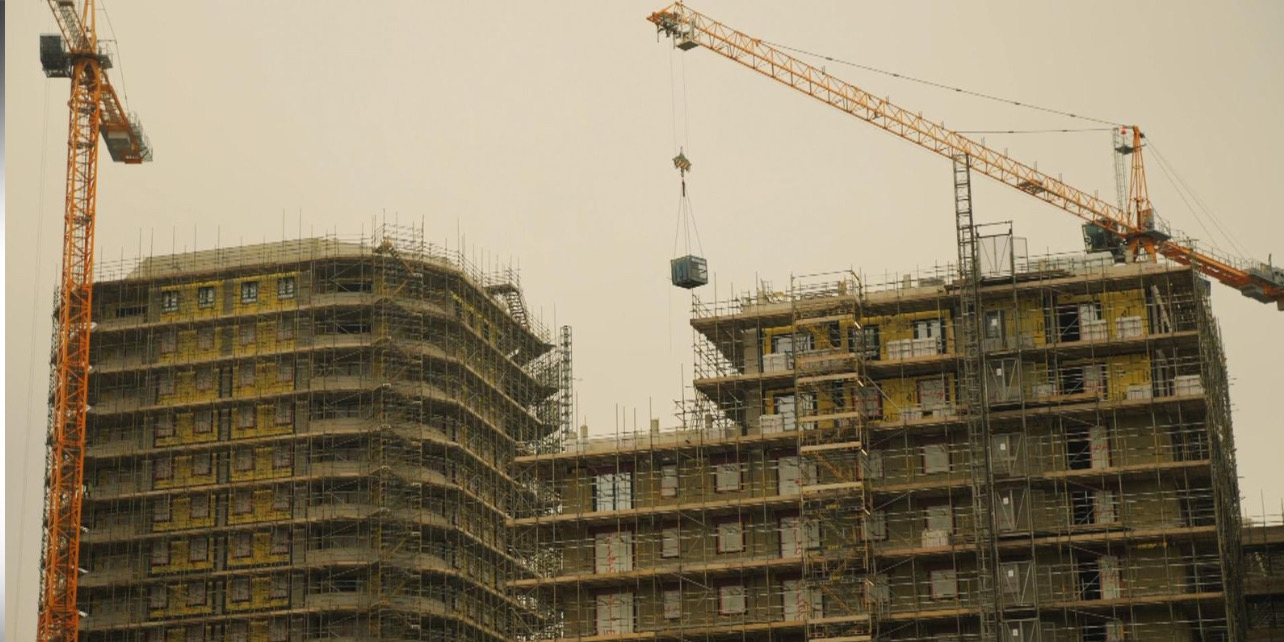
Providers of social housing are sounding the alarm that their capacity to construct new affordable homes on social rent is dwindling, primarily due to the escalating costs stemming from the aftermath of the Grenfell Tower cladding debacle.
The Grenfell Tower fire in 2017 claimed 72 lives, yet eight years later, it is estimated that around 12,000 buildings are still enveloped in similar flammable materials.
Remedial work has yet to commence on half of these structures, with approximately 7,000 at-risk buildings yet to be identified by authorities. The cost to eradicate these hazardous materials nationwide is expected to run into tens of billions.
Despite the urgent need for action highlighted by the second report of the ongoing inquiry—which will be published on Wednesday, detailing how the west London tower block was allowed to become so perilously flammable—Housing Associations find themselves largely excluded from governmental financial support.
These not-for-profit entities that typically offer social rented housing are instead forced to reallocate funds from tenants’ rents, previously earmarked for other projects, towards cladding remediation.
According to the National Audit Office, an estimated £3.8 billion will be required to remove non-ACM, combustible cladding on buildings taller than 11 metres. This sum could have been used to construct approximately 91,000 desperately needed affordable homes.
The report also casts a harsh light on both the dishonesty within the building materials sector and a perceived complacency towards fire safety standards by the government.
As a result of these financial diversions, the creation of new social rent and affordable housing has significantly declined.
The National Housing Federation reports a 39% drop in affordable housing starts across England to 43,439—the lowest since 2016—with London experiencing a 90% decrease in the year to March compared to the previous year.
The financial burden is illustrated by the housing association Peabody, which has already expended £300 million on cladding issues.
At one of their expansive development sites in East London, only the first phase of a 10-year project, comprising 905 new homes, is guaranteed; the future of the remaining 2,500 flats remains uncertain due to these financial constraints.
Ian McDermott, Chief Executive of Peabody, expressed concern: “If we cannot secure funding for the upcoming phases, we may have to halt construction after phase one.”
The implications are dire, as the chief executive remarks, “Normally we build about 2,000 homes a year.
This year we will build fewer than 100 homes. At a time when one in 21 children in London live in temporary accommodation, the demand for social housing has never been more critical.”
