
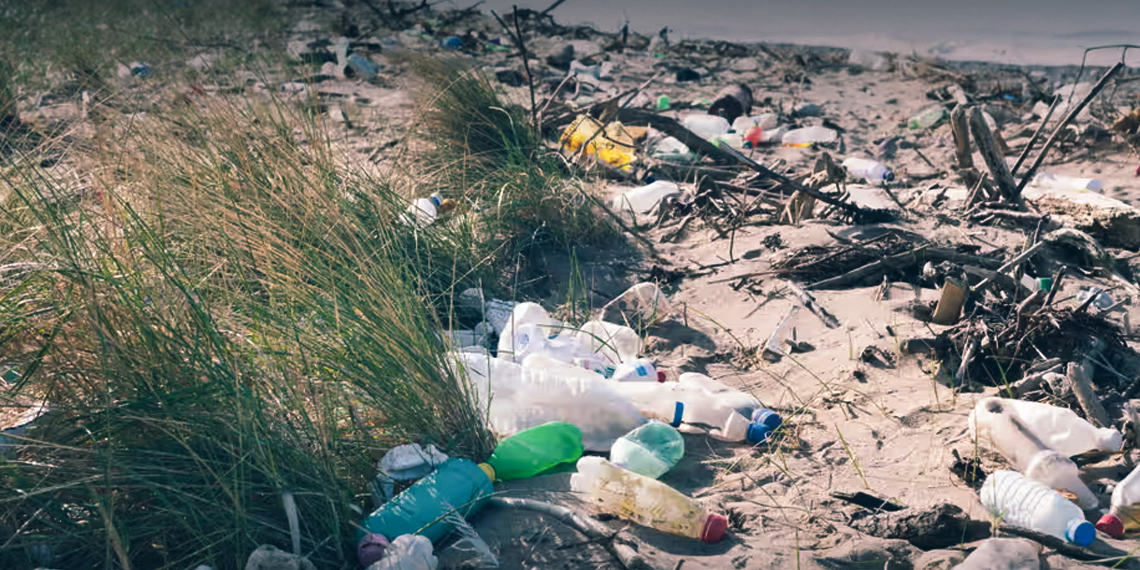
Plastic waste on UK and Channel Island beaches surged by 9.5% in 2024, with nearly two plastic items per square meter polluting the coastline, according to the latest State of Our Beaches report by the Marine Conservation Society (MCS).
Volunteers collected more than three-quarters of a million pieces of plastic waste, with caps, lids, and bottles among the most commonly found items. The report highlights the urgent need for stronger policies to reduce single-use plastics and prevent further environmental damage.
Public Litter the Leading Cause of Plastic Pollution
The MCS report found that 46% of plastic waste on beaches came from public sources, including household litter that washes into the ocean via rivers, drainage systems, and sewage outlets. Some of the waste is also directly dropped or blown onto beaches, exacerbating pollution levels.
Lizzie Price, Beachwatch Manager at MCS, called for urgent action:
“Plastic pollution remains a huge problem for our marine environment. We need stronger policies to reduce single-use plastics and better waste management. Everyone has a role to play in protecting our oceans.”
Global Efforts to Cut Plastic Waste Still Stalled
Despite the growing plastic crisis, a global treaty to reduce plastic waste remains unfinished, as fossil fuel companies and industry lobbyists continue to push back against limits on global plastic production.
Negotiations will resume in Geneva this August, with hopes that over 100 countries will agree on a treaty that includes production caps on plastic manufacturing.
Most Common Plastic Waste Found on UK Beaches
Among the most frequently found plastic waste in 2024:
• Plastic bottle caps and lids – found on 88% of surveyed beaches
• Plastic bottles and containers – appeared on 71% of beaches
The Marine Conservation Society expressed optimism that the plastic bottle deposit return scheme (DRS)—set to launch in October 2027—will significantly reduce discarded plastic bottles. However, the government’s repeated delays in implementing the scheme remain a major concern.
Plastic Bag Waste Drops by 88% Due to Policy Changes
While overall plastic waste has increased, the number of plastic bags found on beaches has dropped by 88% since the introduction of the carrier bag charge. This demonstrates how effective government policies can reduce plastic waste, according to MCS experts.
The charity is now urging policymakers to introduce more refillable and reusable packaging options to combat plastic pollution further.
The Deadly Impact of Plastic on Marine Life and Human Health
Plastic pollution poses a severe threat to marine life, causing:
• Ingestion – Seabirds, seals, and fish mistake plastic for food, leading to internal injuries and starvation.
• Entanglement – Marine animals get caught in plastic waste, restricting movement and causing injury or death.
• Toxic contamination – Chemicals from plastics pollute ocean waters and enter the food chain.
Microplastics—tiny fragments of degraded plastic—are now contaminating human food, water, and even brain tissue, raising serious concerns about their long-term impact on health.
Call to Action: Stronger Plastic Waste Policies Needed Now
With plastic pollution rising at an alarming rate, the Marine Conservation Society is calling for:
• Stronger government action to limit single-use plastics.
• Faster implementation of the plastic bottle deposit return scheme.
• More support for refillable and reusable packaging.
• Public awareness campaigns to reduce plastic consumption.
The future of marine life, human health, and the planet depends on decisive action to curb plastic waste before the problem spirals further out of control.