
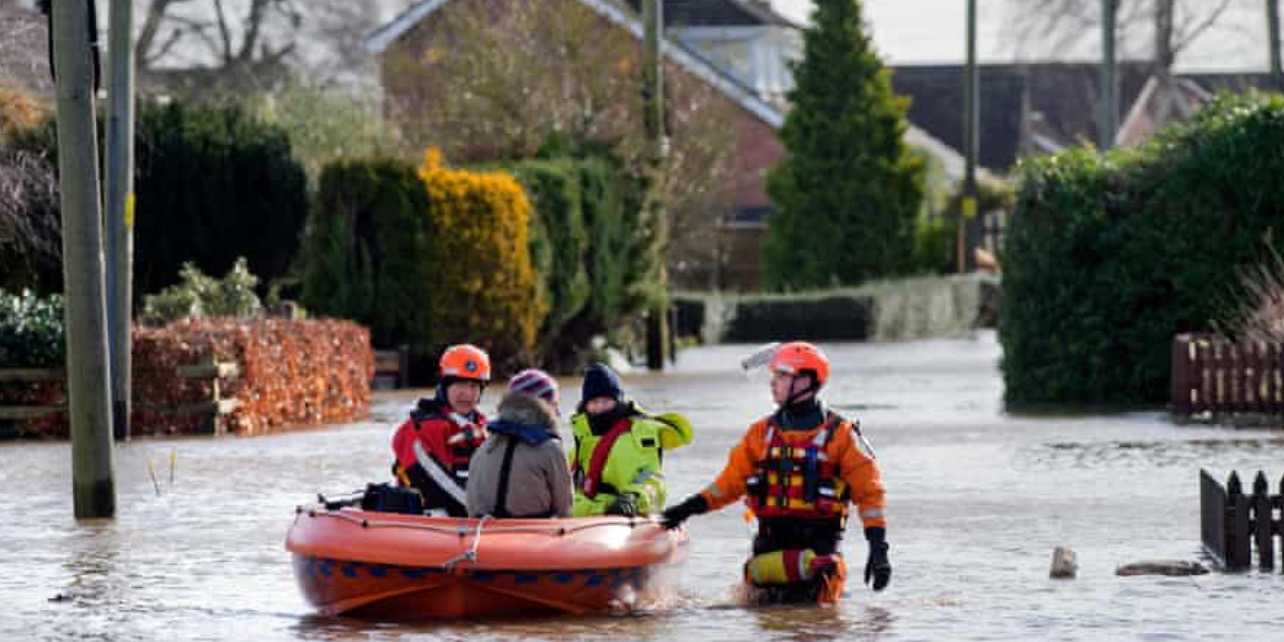
More than 100,000 new homes will be built on high-risk flood zones in England over the next five years as part of the UK government’s 1.5 million housing target, according to new analysis. Despite growing concerns over climate change and extreme weather, the government’s housebuilding strategy could put thousands of properties at risk of serious flooding, leading to costly damages and making homes uninsurable.
Flood Risk Areas to See Major Housing Growth
Experts emphasize that building in flood-prone areas should be avoided unless absolutely necessary, as these homes face a high probability of repeated flooding, causing millions in economic losses and placing additional strain on flood defences and drainage systems. However, with Prime Minister Keir Starmer and Chancellor Rachel Reeves prioritizing housing growth, the rate of new builds in flood zones is expected to continue unless urgent policy changes are made.
Professor Richard Dawson, a member of the Climate Change Adaptation Committee, warns that at least 105,000 homes will be built on Flood Zone 3—the highest-risk category—if current trends persist.
“Analysis shows the trend has been steady, and there is no recent policy designed to address this,” Dawson said.
Government’s Flood Defence Investment vs. Increased Development Risks
The government has pledged an additional £250 million for flood defences, bringing total funding to £2.65 billion to protect at least 66,500 properties. However, insurance industry leaders warn that increased development in flood-prone areas is cancelling out the benefits of these investments.
Jason Storah, CEO of UK & Ireland General Insurance at Aviva, called for a halt to building on flood zones, stating:
“Building new properties in flood zones not only puts homes at risk but also increases pressure on flood defences and drainage systems, raising the risk for existing properties.”
Which Regions Face the Highest Flood Risks?
The biggest housebuilding expansions are planned for London, the South East, and the East of England, which are also among the most flood-prone areas, according to the National Flood Risk Assessment. The East Midlands, Yorkshire & Humber, and the South East account for 52% of properties classified as high or medium risk for flooding.
By 2050, the climate crisis could put one in four UK homes and businesses at risk of flooding, with flood-prone properties increasing by 73% between 2036 and 2069.
Planning Policy Under Scrutiny as Climate Risks Grow
Despite rising flood risks, Labour’s push for rapid housebuilding has led to calls for streamlined planning approvals, including potential rollbacks on environmental regulations. Starmer and Reeves have indicated a willingness to cut red tape, with Reeves recently stating that developers should “stop worrying about the bats and the newts” and focus on fast-tracking construction.
However, Dawson warns that scrapping environmental protections could backfire, leading to unsafe and unsustainable development:
“These policies exist to ensure safety and minimize flooding costs. Ripping them up just to build more homes is short-sighted.”
Will the Government Change Its Housebuilding Strategy?
While a spokesperson for the Ministry of Housing denied the figures presented in the analysis, they reaffirmed the government’s commitment to building 1.5 million homes while maintaining flood protection standards.
“We do not recognize these figures. We are clear that any new developments should be built away from areas at the highest risk of flooding.”
However, critics point out that current planning policies do not prevent high-risk developments, leaving thousands of future homeowners vulnerable to flood damage, soaring insurance costs, and potential property devaluation.
As pressure mounts, the government faces a critical decision: prioritize rapid housebuilding or strengthen regulations to protect communities from the increasing threat of flooding.
