
Scotland is facing growing concerns over the rising cost and increasing number of quangos, with taxpayers footing a £6.6 billion annual bill for these arm’s-length public bodies.
Despite previous efforts to streamline the system, new quangos continue to emerge, leading to calls for urgent reform to prevent duplication and waste of public funds.
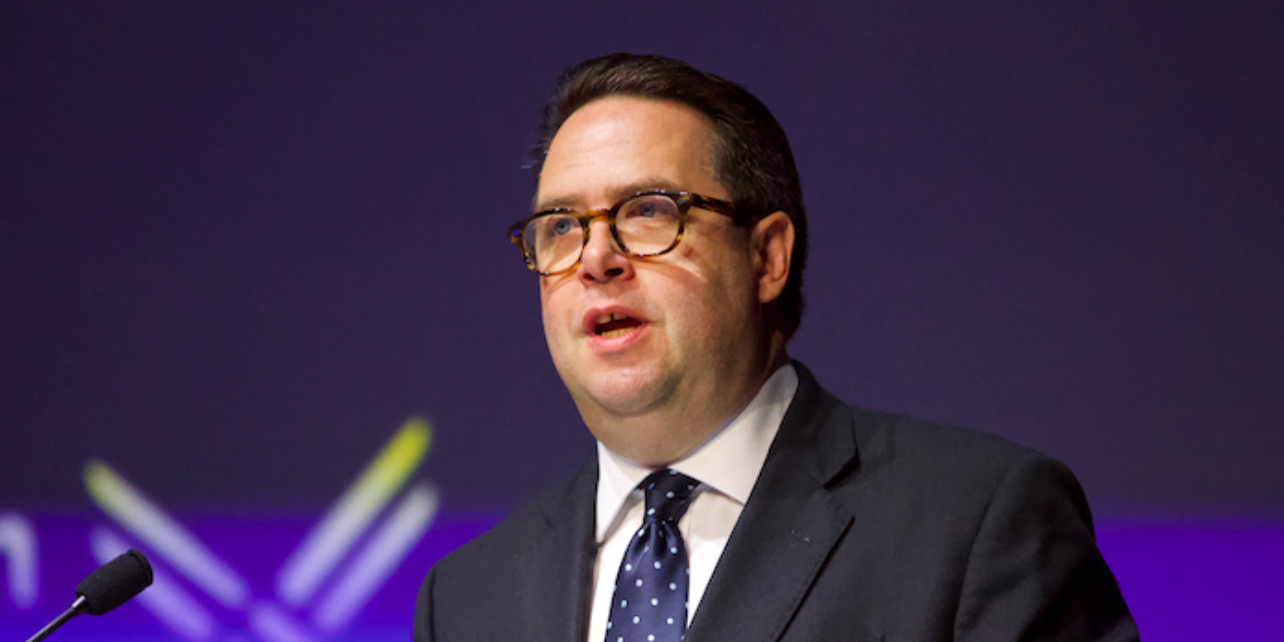
At a recent Scottish Parliamentary Corporate Body meeting, David Hamilton, the Information Commissioner, expressed astonishment at the sheer volume of public bodies operating in Scotland.
He revealed that he and Stephen Boyle, the Auditor-General, frequently discover new, obscure organisations, highlighting the complexity and lack of transparency in the public sector.
Hamilton described Scotland’s quango landscape as hidden and overly complicated, suggesting that many organisations may be duplicating efforts and wasting taxpayer money.
The issue has sparked strong political reactions, with the Scottish Conservative Party demanding an urgent clampdown on excessive government spending.
Russell Findlay, Scottish Conservative Party leader, has proposed a radical overhaul of public bodies, drawing inspiration from Elon Musk’s Department of Government Efficiency in the US.
Findlay insists that a drastic reduction in unnecessary quangos is essential to curb waste and increase accountability.
Craig Hoy, Scottish Conservative spokesman for finance and local government, echoed these concerns, calling the scale of waste “industrial” under the SNP-led Scottish Government.
He accused First Minister John Swinney’s government of inflating the state with unnecessary organisations, creating talking shops that fail to provide real value to taxpayers.
Hoy further pledged that a Conservative-led government would eliminate at least a third of government working groups and establish a dedicated unit to cut down wasteful spending.
Recent reports from Audit Scotland support these concerns, warning that major public sector workforce reform is needed to ensure sustainable public services.
The watchdog stated that the scale of upcoming reforms will need to exceed previous efforts, as the Scottish Government has historically struggled to implement meaningful change.
With public spending under increasing scrutiny, Audit Scotland has urged the government to act swiftly to avoid long-term financial instability.
In response, a Scottish Government spokesperson defended the role of public bodies, arguing that they are essential to delivering key services, including healthcare, justice, and economic growth.
The government also pointed to efforts already made to streamline the system, claiming that the number of Scottish public bodies under its control has fallen from 199 in 2007 to 131 by December 2024.
Additionally, efficiency measures are expected to save up to £280 million by the end of 2024-25.
