
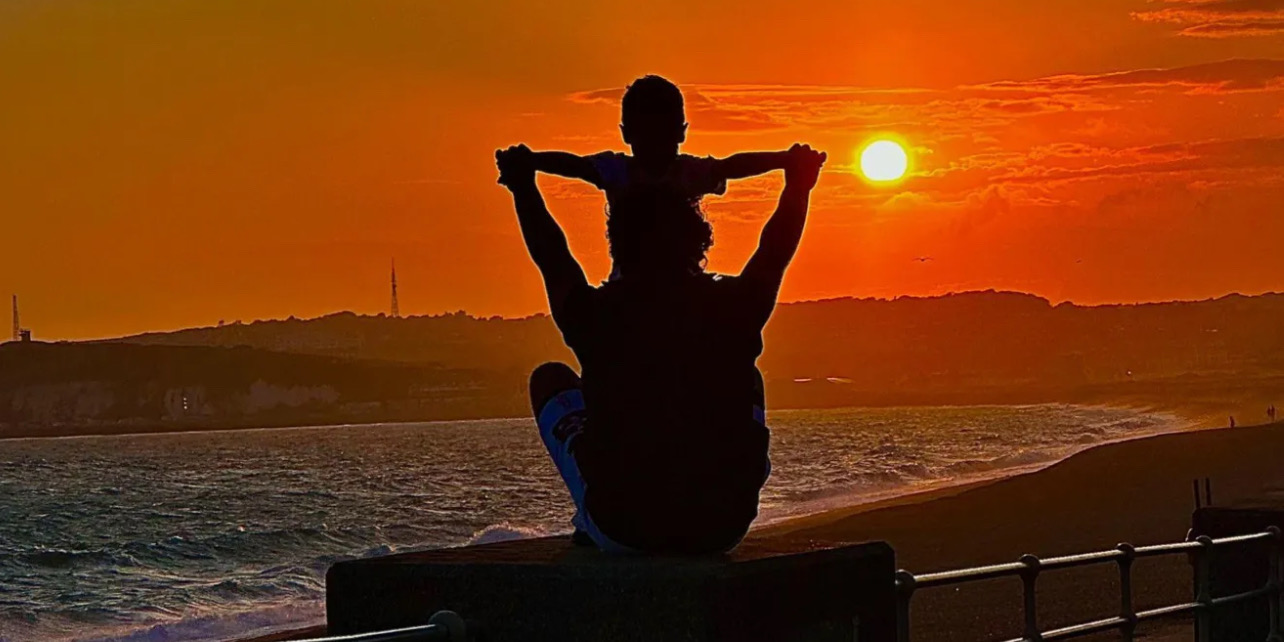
Refugees who have fled violence and persecution say they have endured years of heartbreak waiting for their families to join them in the UK. Delays, complex paperwork, and high legal costs have forced many to live in prolonged isolation, struggling with the mental toll of separation.
Paul, a refugee from Uganda, waited more than a decade to reunite with his daughter in Brighton, East Sussex, after escaping persecution.
“Not having my family with me was mental torture. I was going crazy,” he told the BBC.
A Home Office spokesperson responded, stating that the UK has a long history of providing protection to those in need, and that all applications are assessed on their individual merits in line with immigration rules.
Paul’s 10-Year Battle to Reunite With His Daughter
Paul, whose name has been changed for safety reasons, was forced to flee Uganda alone in 2009. He was granted UK refugee status in 2013 and applied for family reunification the same year.
For more than a decade, Paul and his daughter remained separated, only able to communicate through phone calls and text messages.
“I wanted my life to end because I started losing hope. But a friend told me never give up.”
His daughter, now 16 years old, was homeless at times in Uganda during their separation. She was finally granted permission to join him in October 2024.
“I can’t believe she is here with me. I can’t stop smiling.”
Osamah’s Journey: A Father’s Desperate Wait to See His Son
Osamah, from Yemen, fled the ongoing civil war to seek safety in the UK. He was granted refugee status in 2021 and applied for his wife and son to join him immediately, but still had to wait nearly a year for approval.
Osamah fled when his son was just three months old and described the agony of time apart.
“For people in normal situations, one hour is one hour. But for me and others far from our families, every single minute feels like a year.”
His family, who were living near a conflict zone, finally arrived in the UK, and they have since welcomed a baby girl. But the financial burden of legal fees made the process even harder.
“The wait was really too much for me. It was very expensive to pay for a solicitor, and I could only afford it because of help from friends and local NGOs.”
While he was one of the lucky ones, Osamah worries about those who have no support.
“What about others who don’t understand the process or know of any organizations that can help? What do they do?”
How Does Refugee Family Reunification Work?
Once a person is granted refugee status, they can apply for immediate family members to join them. This typically includes a partner and children under 18, although applications for over-18 dependents may be considered in exceptional cases.
The Home Office states that family reunion applications are assessed in a timely and sensitive manner. However, refugees and advocates argue that the process is slow, costly, and emotionally draining, leaving many in limbo for years.
Applicants must provide:
• A written statement detailing their family situation
• Supporting documents proving family relationships
• A legal representative to assist with the process
Applications can be denied if documents are found to be fraudulent or if there is evidence of deception.
Calls for Change as Refugees Struggle With Separation
With thousands of refugees still waiting to reunite with their families, advocacy groups are calling for faster processing times, lower legal costs, and greater transparency in the system.
As refugees like Paul and Osamah celebrate long-awaited reunions, many others remain trapped in an agonizing wait, facing years of uncertainty, loneliness, and financial hardship.