
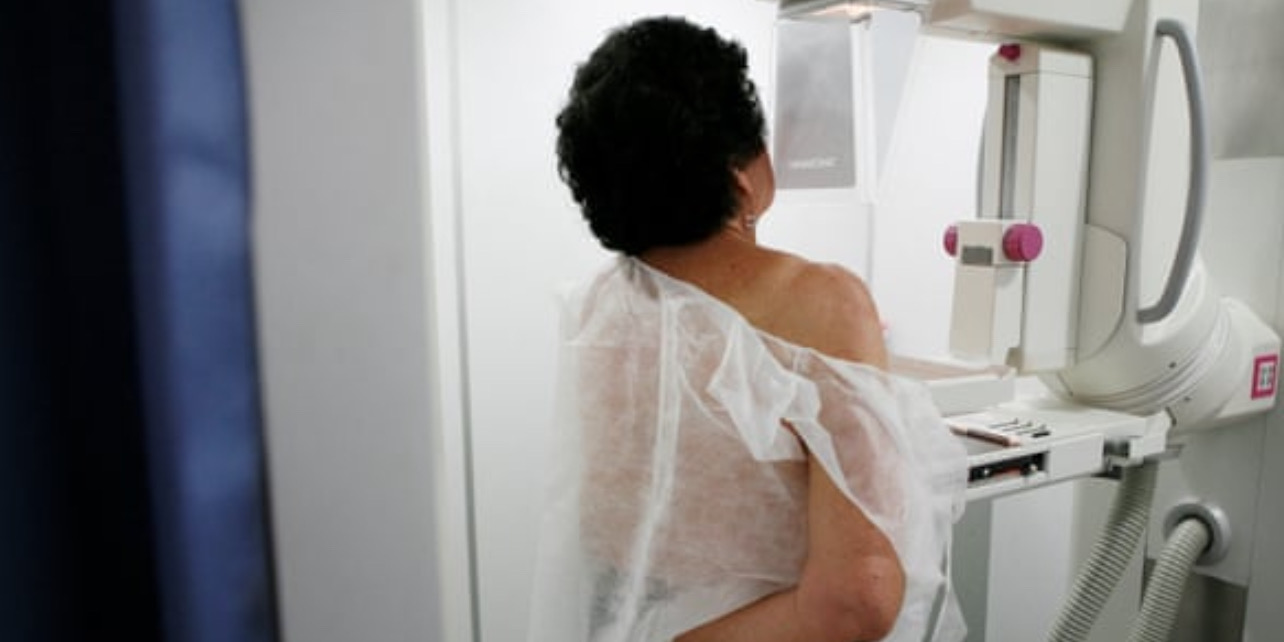
NHS England has launched its inaugural campaign to bolster breast cancer screening attendance through television, radio, and digital advertisements.
This public awareness drive targets women across England, encouraging them to participate in vital mammogram screenings that could potentially save their lives.
In the UK, women are routinely invited for their first mammogram between the ages of 50 and 53, with subsequent invitations every three years until the age of 71.
Beyond this age, women can still request screenings. The NHS estimates that this screening program, aimed at detecting cancer in asymptomatic individuals, helps prevent approximately 1,300 deaths annually and identified cancers in nearly 19,000 women in England last year alone.
Despite the proven benefits of screening, participation rates have dipped below pre-pandemic levels. Recent NHS England statistics from the 2022-23 period show a 64.6% uptake, a decline from 71.1% in 2018-19. First-time attendance is even lower, at just 53.7%.
To combat these falling numbers, NHS England has partnered with charities such as Breast Cancer Now and Cancer Research UK, enlisting celebrities, TV medical experts, NHS staff, and cancer survivors to pen open letters urging women to attend screenings.
Victoria Derbyshire, a Newsnight anchor and breast cancer survivor, shared her personal story in one such letter, highlighting the painless nature of screenings and their critical role in early detection, thus enhancing survival chances.
Derbyshire recounted her own fears of not surviving to see her children grow or growing old with her partner, crediting her survival to timely NHS intervention. “Breast screening might just save your life. Please go,” she urged.
Additionally, the NHS has introduced a “ping and book” service via the NHS app, notifying women when they are due—or overdue—for a mammogram. While the screening process may not detect all cancers and could identify non-threatening ones, experts emphasize the overarching benefits of the national screening program.
Dame Cally Palmer, the NHS’s national cancer director, noted that increasing screening attendance to 80% by 2025-26 could result in almost a million more women receiving mammograms and help detect over 7,500 additional early-stage cancers.
She acknowledged the various reasons women may hesitate to attend screenings and expressed hope that this campaign would address those concerns and misconceptions, encouraging more women to prioritize their health.