
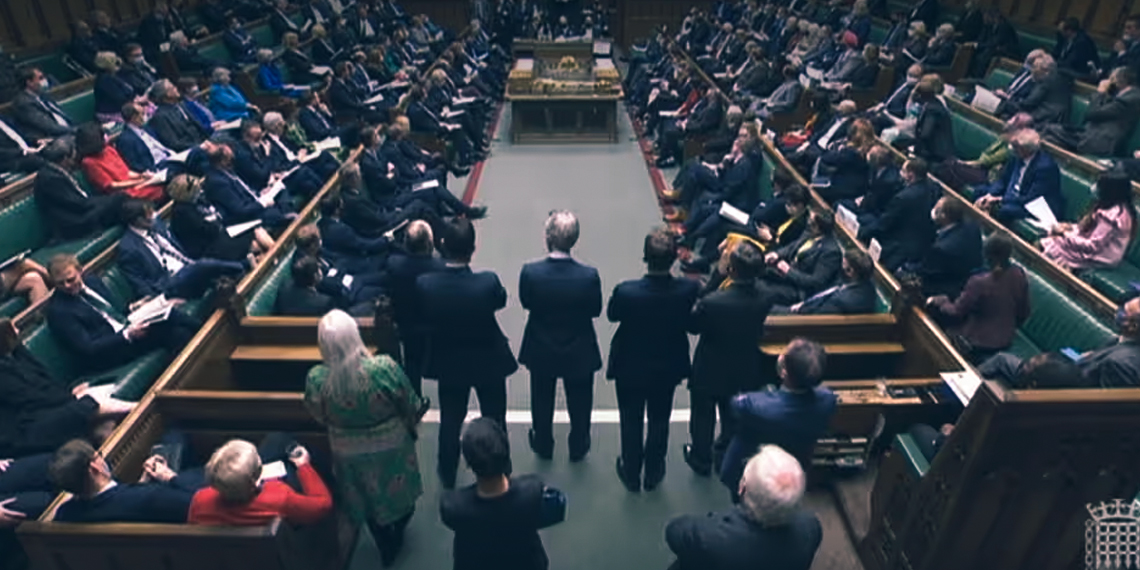
UK Members of Parliament (MPs) are expected to receive a £2,500 pay rise, bringing their base salary from £91,346 to nearly £94,000, according to a recommendation from the Independent Parliamentary Standards Authority (IPSA). The proposed 2.8% increase aligns with recent public sector pay recommendations and will take effect in the next financial year if approved.
The Consumer Price Index (CPI) inflation stood at 2.5% in December, but experts predict a rise throughout the year, potentially impacting real-term earnings across various sectors.
MPs’ Pay Rise Sparks Debate Amid Economic Pressures
The salary increase comes at a time when pay rises for NHS staff, teachers, and civil servants have been capped at the same 2.8% rate, a decision that previously led to threats of strikes and industrial action. While MPs have not set their own pay since 2011, the public and political figures continue to debate whether these increases are justified amid ongoing economic challenges.
Labour leader Sir Keir Starmer has yet to confirm whether he will personally accept the increase, with his spokesperson reiterating that MP pay decisions are entirely managed by IPSA.
Why Are MPs Getting a Pay Rise?
IPSA Chair Richard Lloyd defended the proposed increase, stating that it reflects broader public sector pay trends while recognizing the “vital role of MPs” in governance. The independent body was established to oversee parliamentary salaries and expenses to prevent conflicts of interest, removing MPs’ ability to vote on their own pay.
How MPs’ Salaries Compare to Other Public Sector Roles
Currently, an MP’s base salary is set at £91,346, but ministers, the opposition leader, and senior parliamentary figures receive additional allowances. Beyond their salary, MPs can claim expenses related to staffing, office costs, and constituency work.
The public sector pay debate remains a politically sensitive issue, with many arguing that frontline workers in healthcare and education should see higher wage increases compared to elected officials.
What’s Next for MPs’ Pay?
IPSA will consult on the proposed increase before finalizing the decision for the 2025-26 financial year. If approved, the pay rise will take effect in April, adding further scrutiny to how MPs’ salaries compare with ongoing economic conditions and public sector wage policies.
