
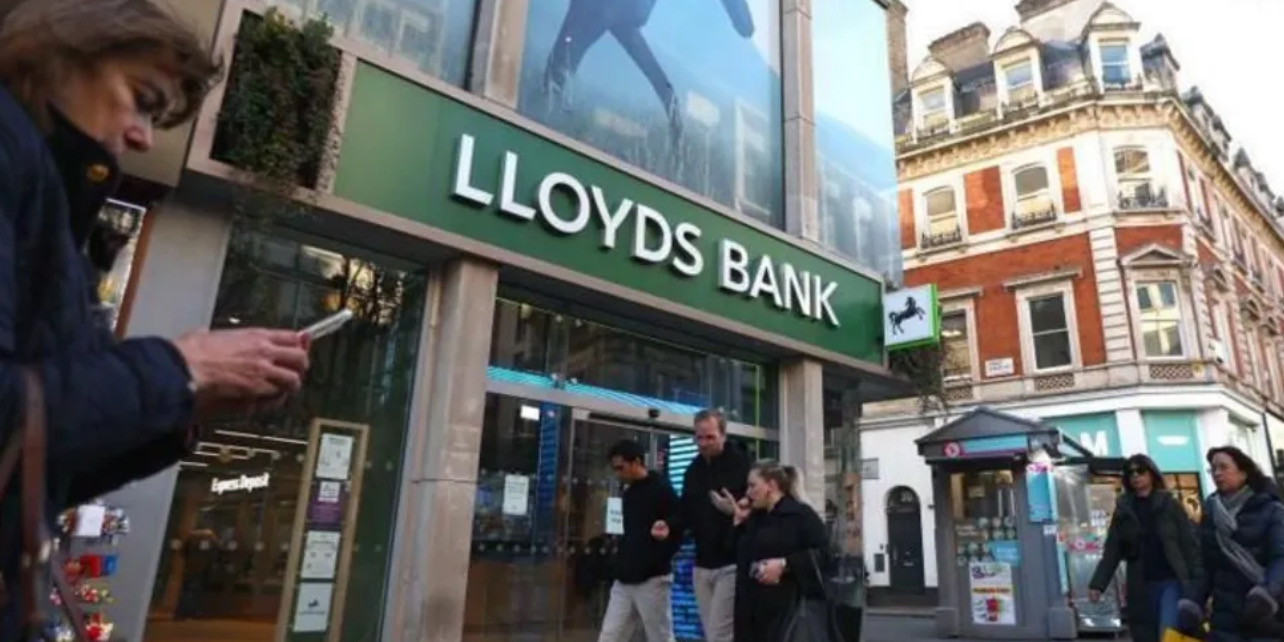
Lloyds Banking Group has significantly increased the amount it is reserving for potential compensation linked to the car finance mis-selling scandal, raising its provision to £1.2bn.
The bank has added an extra £700m on top of the £450m previously set aside, as it braces for potential payouts to affected motorists.
The issue stems from concerns that millions of car buyers may not have been properly informed about commission payments made to car dealers, which may have resulted in them being overcharged on their loans.
As a result, banks and lenders across the UK are facing mounting scrutiny and the possibility of widespread compensation claims.
Lloyds’ chief executive, Charlie Nunn, acknowledged the financial risks but insisted that the situation is not comparable to the notorious PPI mis-selling scandal, which cost UK banks tens of billions of pounds in compensation payouts.
He described the £1.2bn provision as the bank’s “best estimate at this stage”, while emphasising that Lloyds’ underlying business remains strong.
Despite the increased financial provision, Lloyds’ share price rose following its latest results, reflecting confidence in the bank’s resilient financial performance.
The bank reported pre-tax profits of £5.97bn for the year, down from £7.5bn in the previous year, amid economic uncertainty and falling interest rates.
The scandal centres around whether customers taking out car loans were fully informed about how commission payments worked.
The Supreme Court is expected to rule on the matter in April, which could determine the scale of compensation owed to borrowers.
Each year, approximately two million new and used cars are purchased using finance agreements, where customers pay an initial deposit followed by monthly payments, including interest.
Some of these agreements may have unfairly inflated costs due to undisclosed commissions, particularly before regulatory changes were introduced in 2021.
Lloyds, which owns motor finance provider Black Horse, is among the financial institutions with the highest exposure to potential claims.
Analysts have suggested that while the bank may be acting cautiously by increasing its provisions, the full financial impact remains uncertain.
Matt Britzman, a senior equity analyst at Hargreaves Lansdown, noted that Lloyds is in the most vulnerable position among UK banks due to its significant role in the car finance market.
Lloyds was previously at the centre of the UK’s largest financial mis-selling scandal, related to payment protection insurance (PPI).
The bank ultimately paid out £21.9bn in compensation by 2019, as thousands of customers were found to have been wrongly sold PPI policies they didn’t need or didn’t want.
While the car finance issue is not expected to reach the same scale as PPI, the potential financial and reputational risks remain significant.
If the Supreme Court rules against lenders, the UK banking sector could face another wave of mass compensation claims, further affecting profitability and regulatory trust.
