
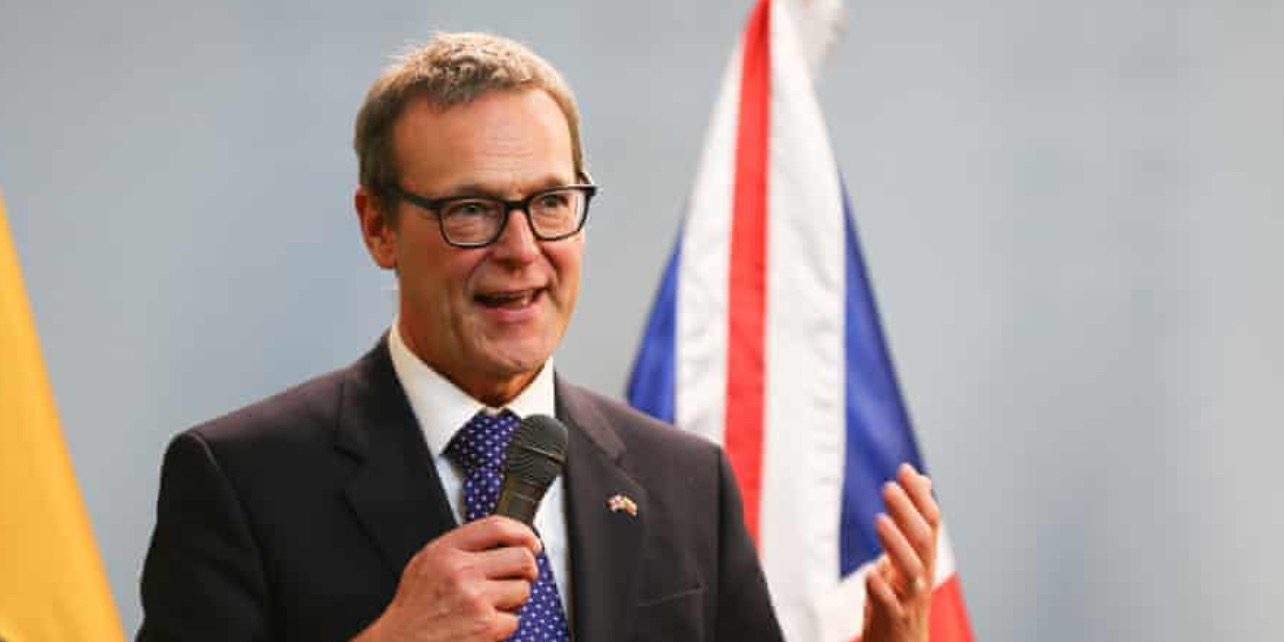
Former Foreign Office chief Simon McDonald has cautioned Chancellor Rachel Reeves against reducing Britain’s international aid budget, warning that such a move could damage the country’s global reputation. This comes as the Treasury reviews government spending, with reports suggesting the aid budget is among the areas under scrutiny for potential cuts.
Treasury Eyes Aid Budget for Savings
Government insiders indicate that Reeves is considering reductions across Whitehall as she seeks to balance the books. One source familiar with the review process confirmed, “Everything is at risk in this spending review.” The move aligns with rising financial pressures, including increased borrowing costs and a commitment to raising defence spending to 2.5% of GDP.
However, McDonald warned that reducing aid could have significant humanitarian consequences, especially in light of former U.S. President Donald Trump’s decision to freeze America’s foreign aid program. “At times of financial need, development assistance is an easy target because it’s not a voter priority. But the global need for aid has never been greater,” he said.
Concerns Over Global Impact of Aid Cuts
Trump’s aid freeze has already had severe consequences, including the closure of HIV services in South Africa, the dismissal of 5,000 healthcare workers in Ethiopia, and the potential waste of $500 million in food aid. McDonald stressed that a similar move by the UK could further destabilize vulnerable regions and harm Britain’s long-term security interests.
The UK currently spends 0.5% of its gross national income on international aid, following a reduction from 0.7% in 2021 under former Prime Minister Boris Johnson. Labour has pledged to restore the 0.7% commitment “as soon as fiscal circumstances allow,” but there is growing concern that it may instead face further cuts.
Foreign Office and Diplomatic Services Also Under Review
In addition to the aid budget, the Foreign Office itself is under financial pressure. Foreign Secretary David Lammy is reportedly considering reductions in both domestic and overseas personnel. McDonald, however, emphasized the critical role of Britain’s diplomatic network, describing it as “our eyes, ears, and brains on the ground worldwide.”
While some cuts to civil servant numbers in London may be possible, McDonald argued that diplomatic services are already cost-efficient and essential for national security and economic interests. “Cutting 50 posts would save only about £5 million. FTSE CEOs have told me they are astonished at how little it costs to run the Foreign Office compared to their global operations,” he said.
Aid Experts Warn Against Repeating U.S. Mistakes
Aid organizations have also voiced strong opposition to potential cuts. Romilly Greenhill, CEO of Bond, which represents development NGOs, described the prospect of redirecting aid funding to defence as “reckless” and warned that it could ultimately undermine the UK’s security interests.
A government spokesperson dismissed reports of aid cuts as “pure speculation” but reaffirmed that spending decisions will be made with a focus on tackling global poverty and ensuring stability.
With Reeves set to announce her three-year spending plans in June, the debate over Britain’s international aid budget is likely to intensify. The chancellor faces a difficult balancing act between fiscal discipline, defence commitments, and maintaining the UK’s reputation as a leading donor on the world stage.
