
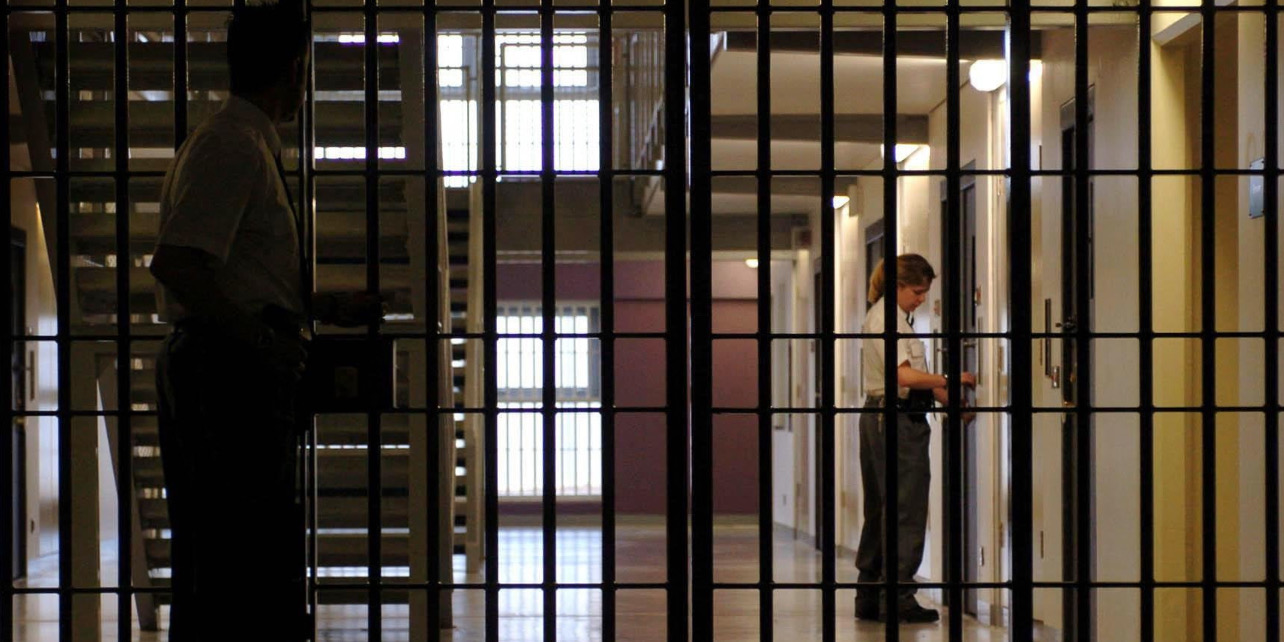
In a bid to tackle severe overcrowding, Scotland’s prisons have begun the early release of up to 390 prisoners, a move enabled by emergency legislation passed last year.
Under the new law, prisoners serving sentences of less than four years can now be released after completing just 40% of their term, rather than the previous 50%.
The releases will occur in three waves over a six-week period starting Tuesday, with individuals convicted of domestic abuse or sexual offences being ineligible.
Justice Secretary Angela Constance expressed concerns over the high prison population, stating that the releases are essential to free up space for high-risk inmates and to facilitate effective rehabilitation. Speaking on BBC’s Good Morning Scotland, Constance emphasized the need for safer communities through safer prisons.
Despite the releases targeting short-term sentences, Constance acknowledged that a considerable number of violent criminals would be among those released early, although specific figures were not disclosed.
As of last week, Scotland’s prison population stood at 8,344, surpassing the target capacity of 8,007. Previous attempts at early release last summer saw 477 prisoners freed, yet 61 were re-incarcerated before their original release date, leading to a rebound in the prison population.
Constance highlighted that the latest initiative aims to achieve a “sustained reduction” in the prison population by approximately 5%.
Additionally, the Scottish government is focusing on enhancing community justice and addressing the significant number of prisoners on remand due to court backlogs exacerbated by COVID-19.
The move follows a similar strategy implemented in England and Wales last autumn, which saw over 1,700 prisoners released early.
However, the scheme has prompted concerns among victims about their safety, particularly as few have enrolled in a notification system offered by Victim Support Scotland (VSS) and the Scottish Prison Service (SPS).
Kate Wallace, chief executive of VSS, has called for a more proactive approach to alleviate fears among victims.
The story of Lynn Burns, whose son Sam Johnston was fatally stabbed in 2013, underscores the traumatic impact of early releases. Burns was unaware of one of the perpetrator’s early release until he returned to their hometown, an experience she found deeply traumatising.
Meanwhile, Glasgow’s Barlinnie prison exemplifies the overcrowding crisis. Operating at 140% capacity, the Victorian-era facility struggles to accommodate nearly 1,400 inmates, significantly over its intended capacity of 987.
The prison governor, Michael Stoney, described Barlinnie as a “pressure cooker” and stressed the necessity of the early release laws for both staff and inmates’ welfare, despite acknowledging the potential for reoffending.
As Scotland grapples with these issues, construction continues on HMP Glasgow, a controversial new facility set to replace Barlinnie at a cost of nearly £1 billion, with its doors expected to open in 2028.
